Understanding Different Fencing Materials: Which One is Right for Your Project? Dec 04, 2025
When considering fencing materials, it's crucial to understand their characteristics, benefits, and drawbacks. Let's dive into the most commonly used materials in residential and commercial fencing.
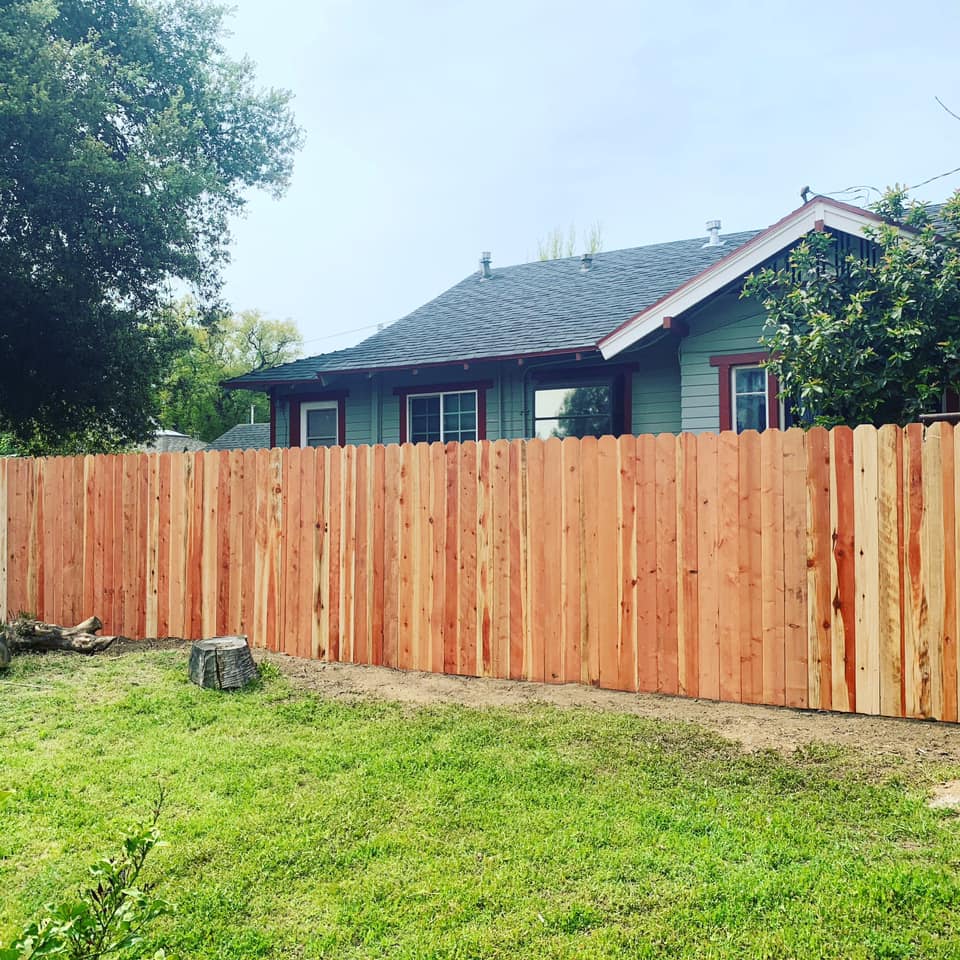
Wood is often the go-to choice for many homeowners due to its classic look and versatility. It can be stained or painted to match any exterior design. Various types of wood, such as cedar, redwood, and pine, offer different levels of durability and resistance to pests. While wood fences provide a warm, traditional aesthetic, they require regular maintenance to prevent rot and decay. This includes periodic staining or sealing, which can be a consideration if you're looking for a low-maintenance option.
Vinyl fencing is another popular material, known for its durability and low maintenance. Unlike wood, vinyl does not need to be painted or weatherproofed. It's available in a range of styles and colors, offering a clean and polished appearance. Vinyl can withstand harsh weather conditions, making it a favorite for those living in areas with extreme climates. However, it may come at a higher initial cost compared to other options.
For those prioritizing security and strength, metal fencing could be the best fit. Options include aluminum, wrought iron, and chain link. Aluminum fencing is lightweight, rust-resistant, and mimics the look of wrought iron without the hefty price. Wrought iron offers a classic and highly durable solution but may require more maintenance to prevent rust. Chain link is cost-effective and practical for securing large areas but might not satisfy aesthetic desires for residential settings.
Composite fencing merges wood fibers and plastic to create a durable, stylish, and low-maintenance solution. It has the appearance of wood without the associated upkeep. Composite fences resist rot, insects, and fading, making them an excellent long-term investment. While their upfront cost is generally higher, the longevity and minimal maintenance can offset the initial expenditure.
Bamboo fencing is an eco-friendly option growing in popularity. It's sustainable and provides a unique, natural look. Bamboo is strong yet lightweight and can be used in various styles to suit different landscapes. It's ideal for those seeking a green alternative to traditional fencing, though it may not offer the same level of security or durability as some other materials.
In conclusion, choosing the right fencing material depends on your specific needs, budget, and personal preferences. Consider the maintenance requirements, lifespan, and initial investment when making your decision. At JV Building Fences, we're dedicated to helping you find the best solution for your fencing project. By understanding the pros and cons of each material, you can confidently select the perfect fence that not only enhances your property’s security and appearance but also aligns with your long-term goals. Whether you prioritize aesthetics, security, or sustainability, there's a fencing material suited for your project’s unique requirements. For personalized advice or further assistance, don't hesitate to reach out to our experts at JV Building Fences.
/filters:no_upscale()/filters:format(webp)/media/21dd56fc-663c-4e62-9e29-da6e43bb1b0b.jpeg)
/filters:no_upscale()/filters:format(webp)/media/9155d91e-8252-460d-b275-2e784e7a5a81.jpeg)